
Introduction:
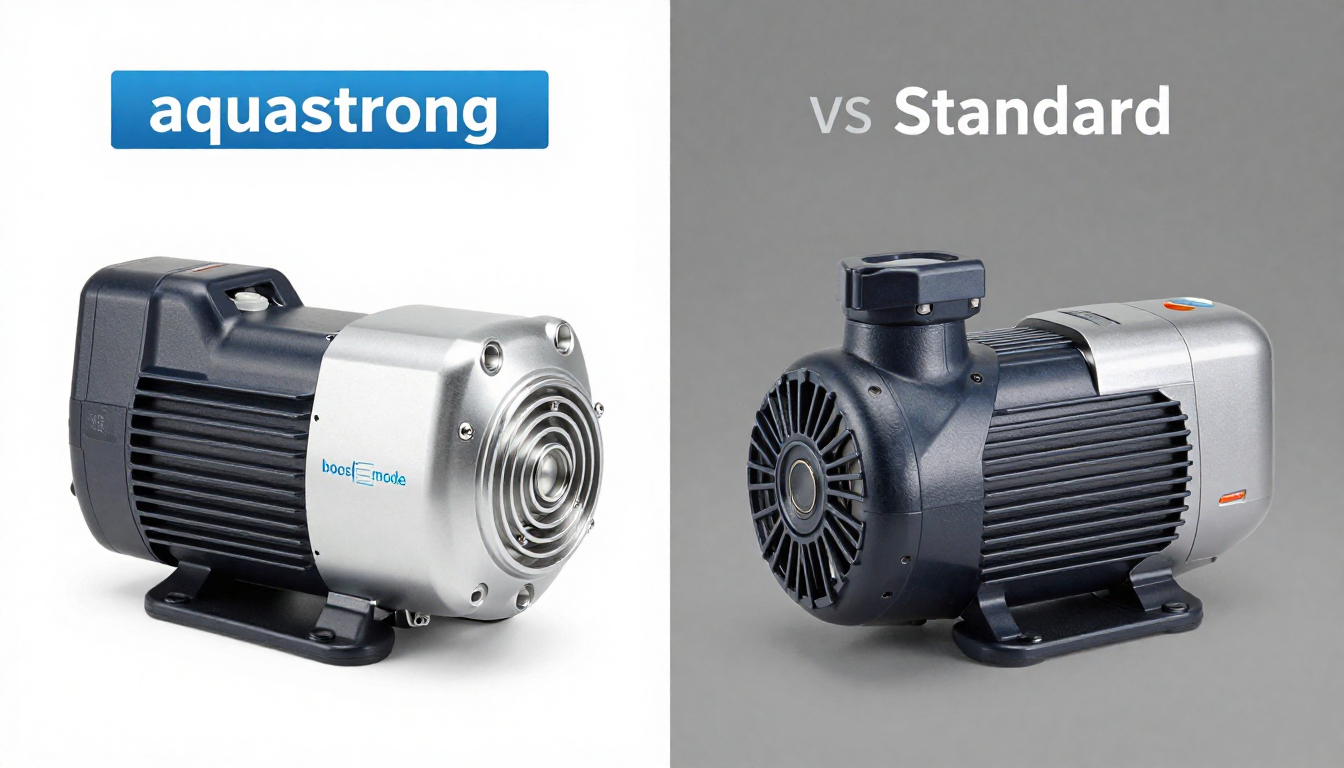
Modern water systems and smart appliances are evolving rapidly, and AquaStrong has positioned itself as a trusted brand known for efficiency, reliability, and innovation. One of the most talked-about features in AquaStrong systems is the availability of Boost Mode and Standard Mode. While both modes serve essential purposes, understanding their differences can help homeowners, technicians, and users optimize performance, save energy, and extend system lifespan.
This in-depth guide explores AquaStrong Boost Mode vs Standard Mode, covering performance, energy efficiency, use cases, maintenance considerations, and which mode is best for different scenarios.
Introduction to AquaStrong Operating Modes
AquaStrong water systems are designed to adapt to varying demand levels. Instead of running at a fixed performance level, AquaStrong integrates intelligent operating modes that adjust output based on real-time needs.
The two most common modes are:
-
Standard Mode – Designed for everyday, consistent water usage
-
Boost Mode – Engineered for high-demand or pressure-intensive situations
Each mode has a unique role, and selecting the right one at the right time can significantly improve system efficiency and user experience.
What Is AquaStrong Standard Mode?
Definition and Core Function
Standard Mode is the default operating setting in AquaStrong systems. It provides steady water pressure and flow suitable for daily household or commercial activities such as:
-
Washing dishes
-
Showering
-
Laundry
-
Light irrigation
-
Regular plumbing usage
This mode prioritizes energy efficiency, quiet operation, and long-term reliability.
Key Characteristics of Standard Mode
-
Stable pressure output
-
Lower power consumption
-
Reduced mechanical stress
-
Quiet performance
-
Ideal for continuous use
Standard Mode is optimized for environments where water demand remains predictable and moderate.
What Is AquaStrong Boost Mode?
Definition and Core Function
Boost Mode is a high-performance setting that temporarily increases water pressure and flow rate. It is activated when the system detects increased demand or when users manually enable it.
Common scenarios for Boost Mode include:
-
Multiple bathrooms in use simultaneously
-
Filling large water tanks
-
Heavy irrigation systems
-
Pressure-sensitive appliances
-
Commercial or industrial tasks
Boost Mode ensures water delivery remains consistent even under demanding conditions.
Key Characteristics of Boost Mode
-
Increased pressure and flow
-
Higher energy consumption
-
Faster task completion
-
Short-term performance enhancement
-
Best for peak usage periods
AquaStrong Boost Mode vs Standard Mode: Feature-by-Feature Comparison
1. Water Pressure and Flow Rate
Standard Mode delivers balanced pressure suitable for normal daily tasks. It avoids unnecessary surges that could stress plumbing systems.
Boost Mode, on the other hand, significantly increases pressure and flow to meet peak demand. This is especially useful in large homes or buildings where simultaneous water usage can cause pressure drops.
Winner:
-
Everyday use → Standard Mode
-
High demand situations → Boost Mode
2. Energy Consumption
Energy efficiency is one of the most critical differences between the two modes.
-
Standard Mode consumes less electricity, making it ideal for continuous operation and cost savings.
-
Boost Mode requires more power to generate higher pressure, which can increase electricity bills if used frequently.
Best Practice: Use Boost Mode only when necessary to maintain optimal energy efficiency.
3. System Wear and Longevity
Mechanical components experience different levels of stress depending on the mode.
-
Standard Mode minimizes wear, extending pump and motor lifespan.
-
Boost Mode increases workload, which may accelerate wear if overused.
AquaStrong systems are built to handle Boost Mode safely, but long-term reliance on it can reduce overall system longevity.
4. Noise Levels
Noise is another noticeable distinction.
-
Standard Mode operates quietly, making it ideal for residential settings.
-
Boost Mode may generate more noise due to higher motor speed and pressure output.
For nighttime or indoor use, Standard Mode is generally preferred.
5. Response to Demand Fluctuations
AquaStrong systems often include smart sensors that automatically switch between modes.
-
In Standard Mode, the system maintains steady output.
-
When demand spikes, Boost Mode activates to prevent pressure loss.
This dynamic switching enhances user comfort and system efficiency.
Ideal Use Cases for AquaStrong Standard Mode
Standard Mode is best suited for:
-
Small to medium households
-
Apartments and condos
-
Daily water usage
-
Long operating hours
-
Energy-conscious users
If your water demand rarely exceeds normal levels, Standard Mode will meet your needs efficiently and economically.
Ideal Use Cases for AquaStrong Boost Mode
Boost Mode is ideal for:
-
Large households with multiple bathrooms
-
Simultaneous appliance usage
-
Agricultural irrigation systems
-
Commercial facilities
-
Emergency or peak water demand situations
Boost Mode ensures performance consistency when standard pressure is insufficient.
Smart Automation: Switching Between Modes
Many AquaStrong models feature automatic mode switching, allowing the system to detect pressure drops and activate Boost Mode only when required.
Benefits of automatic switching include:
-
Reduced energy waste
-
Improved convenience
-
Enhanced system protection
-
Optimal pressure delivery
Users can also manually switch modes depending on their specific needs.
Maintenance Considerations
Standard Mode Maintenance
-
Lower maintenance frequency
-
Reduced component stress
-
Longer service intervals
Boost Mode Maintenance
-
Requires regular system checks
-
Monitoring motor temperature and pressure levels
-
Ensuring seals and valves remain intact
Proper maintenance ensures both modes operate safely and efficiently.
Cost Implications
Operational Costs
-
Standard Mode: Lower electricity bills
-
Boost Mode: Higher short-term power usage
Long-Term Costs
Overusing Boost Mode may lead to:
-
Increased maintenance expenses
-
Shorter component lifespan
-
Higher replacement costs
Balanced usage helps control long-term expenses.
Environmental Impact
Sustainability is an increasingly important factor for modern consumers.
-
Standard Mode aligns with eco-friendly practices due to lower energy consumption.
-
Boost Mode, while powerful, has a higher carbon footprint if used excessively.
Using Boost Mode strategically supports both performance and environmental responsibility.
Safety and System Protection
AquaStrong integrates multiple safety mechanisms, including:
-
Overpressure protection
-
Thermal shutdown
-
Automatic pressure regulation
These features ensure both modes operate safely under various conditions.
Which Mode Should You Use?
The choice between AquaStrong Boost Mode and Standard Mode depends on your usage patterns:
| Scenario | Recommended Mode |
|---|---|
| Daily household use | Standard Mode |
| Multiple outlets running | Boost Mode |
| Energy savings priority | Standard Mode |
| High-pressure requirement | Boost Mode |
| Long operating hours | Standard Mode |
For most users, Standard Mode should be the default, with Boost Mode reserved for peak demand.
Expert Tips for Optimal Performance
-
Use Standard Mode for routine activities
-
Activate Boost Mode only when necessary
-
Schedule regular maintenance
-
Monitor energy usage
-
Utilize automatic mode switching if available
Following these tips ensures maximum efficiency and system longevity.
Future of AquaStrong Operating Modes
As smart home technology advances, future AquaStrong systems are expected to include:
-
AI-based demand prediction
-
Adaptive pressure optimization
-
Enhanced energy-saving algorithms
-
Remote monitoring via mobile apps
These innovations will further refine the balance between Boost and Standard modes.
Final Verdict: AquaStrong Boost Mode vs Standard Mode
Both AquaStrong Boost Mode and Standard Mode play essential roles in delivering reliable water performance.
-
Standard Mode excels in efficiency, quiet operation, and long-term sustainability.
-
Boost Mode shines during high-demand situations where extra pressure and flow are critical.
Rather than choosing one exclusively, the real advantage lies in using each mode strategically. When combined thoughtfully, they provide a flexible, powerful, and efficient water management solution.
Conclusion
Understanding the difference between AquaStrong Boost Mode vs Standard Mode empowers users to make smarter decisions about water usage, energy consumption, and system care. By leveraging Standard Mode for everyday needs and Boost Mode for peak demands, you can enjoy optimal performance without unnecessary costs or wear.
AquaStrong’s intelligent design ensures that no matter the situation, your water system is ready to deliver exactly what you need—efficiently, reliably, and sustainably.
