
Introduction:
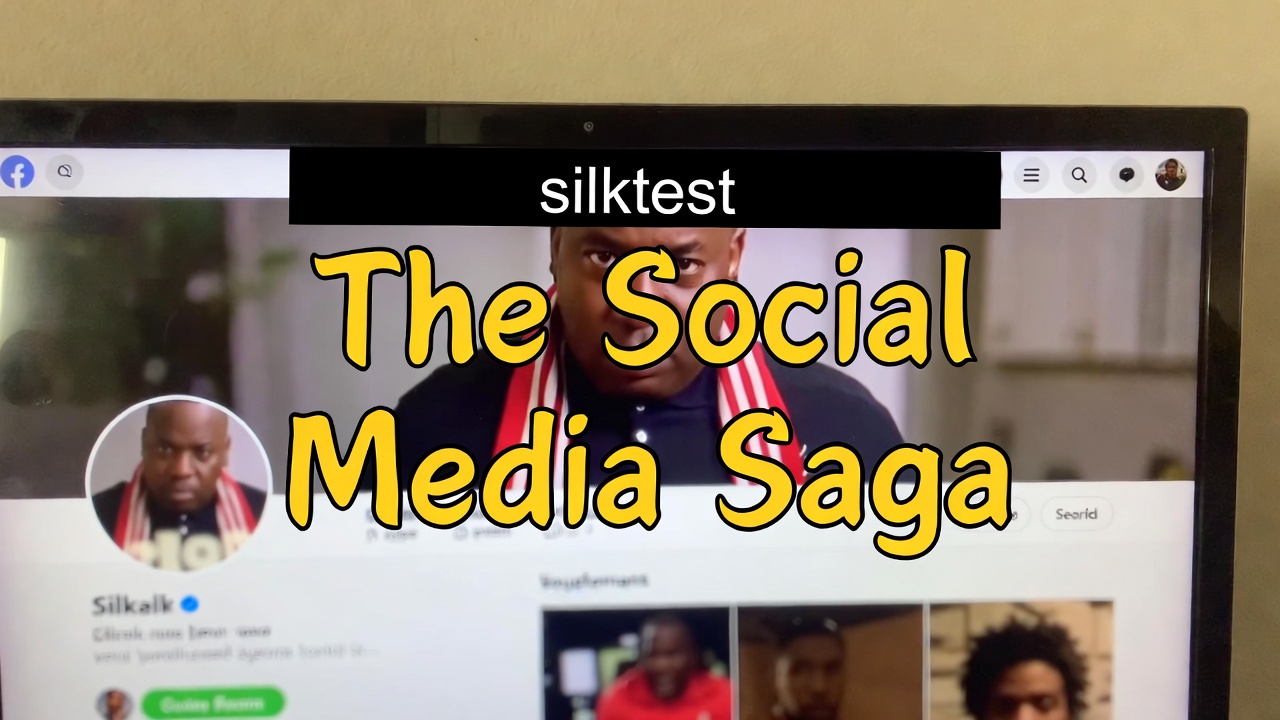
In the era of constant connectivity, social media platforms serve as the pulse of digital interaction. They shape opinions, influence trends, and even dictate public discourse. Among the myriad of events that have shaped online culture, the SilkTest social media saga stands out as a remarkable case study in platform dynamics, user behavior, and the power of viral narratives.
This saga is not just a story about a company or platform; it reflects deeper truths about the challenges of moderating online content, managing user expectations, and sustaining engagement in a constantly evolving digital ecosystem.
The Rise of SilkTest: From Innovation to Controversy
SilkTest began as a modest project aimed at enhancing social media interactions through innovative testing and analytical tools. Its early adoption by tech enthusiasts and digital marketers positioned it as a platform for experimentation and engagement. Users appreciated its intuitive design, analytics capabilities, and ability to streamline content management.
However, as the user base expanded, so did scrutiny. The platform faced criticism over privacy concerns, algorithm transparency, and content moderation. These issues snowballed into what later became known as the SilkTest social media saga, drawing attention from industry experts, digital media critics, and everyday users.
The story illustrates how even innovative solutions can become entangled in controversy if ethical considerations, transparency, and community trust are not prioritized.
Understanding the Key Events
The saga can be broken down into several key stages, each shedding light on different aspects of digital platform management:
1. Early Adoption and Viral Growth
SilkTest’s innovative features initially fueled rapid adoption. Content creators and marketers embraced its tools to optimize social media campaigns. The platform’s ability to predict engagement trends and analyze user behavior gave it a competitive edge.
However, rapid growth also exposed gaps in moderation systems and privacy safeguards, creating vulnerabilities that users and observers quickly noticed.
2. Privacy Concerns and Public Backlash
As data privacy became a global conversation, SilkTest found itself under scrutiny. Users raised concerns about how their personal information was collected and utilized. Allegations of inadequate data protection triggered heated discussions across other social media platforms, further amplifying the saga.
This stage highlighted the critical importance of balancing innovation with responsibility. Even the most advanced tools are vulnerable if users perceive a lack of transparency.
3. Viral Content and User Engagement Challenges
Part of the saga’s prominence was fueled by viral content. Some users leveraged SilkTest’s analytics tools to maximize engagement, while others criticized the platform for inadvertently promoting misinformation.
The result was a complex dynamic: viral growth that enhanced visibility but also risked undermining credibility. The saga underscored the challenge of designing systems that foster engagement without encouraging harmful behavior.
4. Media Attention and Industry Analysis
Traditional media outlets and industry analysts began covering SilkTest extensively. The focus was not only on the technical aspects but also on ethical considerations and broader implications for the social media landscape.
Coverage ranged from praise for innovation to warnings about unchecked algorithmic influence. This phase of the saga served as a wake-up call for both the platform and the industry at large.
Lessons from the SilkTest Social Media Saga
The saga offers several important lessons for platform developers, users, and digital marketers alike.
1. Transparency Builds Trust
One of the key takeaways is the significance of transparency. Users are increasingly aware of how their data is used and how platform algorithms operate. Without clear communication, even well-intentioned tools can face resistance or backlash.
2. Ethical Considerations are Non-Negotiable
Ethics in digital platforms is no longer optional. The SilkTest saga demonstrated that prioritizing engagement metrics over responsible moderation can lead to reputational damage and user distrust.
3. Preparedness for Viral Events
Viral trends are unpredictable, and platforms must be prepared to respond swiftly. From content moderation to crisis communication, agility is critical.
4. User Engagement vs. Platform Integrity
The delicate balance between maximizing engagement and maintaining platform integrity was a central theme. Tools that encourage interaction should not compromise ethical standards or user safety.
5. Long-Term Strategy Matters
Short-term growth can be tempting, but sustainability relies on a long-term strategy focused on trust, transparency, and adaptability. The SilkTest experience highlights the importance of vision beyond immediate metrics.
Implications for Social Media Platforms
The SilkTest saga has broader implications for social media platforms worldwide.
-
Algorithm Transparency: Users demand clarity about how content is prioritized and recommended. Platforms ignoring this may face criticism similar to SilkTest.
-
Data Privacy Standards: Rigorous privacy practices are essential to avoid public backlash and regulatory scrutiny.
-
Crisis Management Protocols: Preparing for sudden controversies ensures a platform can respond efficiently and preserve its reputation.
-
Community-Centric Design: Platforms must engage with users and consider feedback to foster loyalty and trust.
These lessons are increasingly relevant as regulators and users worldwide hold platforms accountable for their actions and decisions.
The Role of Users in Shaping the Saga
While platforms bear responsibility, users are active participants in social media sagas.
-
Viral Amplification: User behavior can rapidly amplify both positive and negative narratives.
-
Feedback Loops: Users provide feedback that platforms can leverage to improve policies and features.
-
Cultural Influence: The collective sentiment of users can influence platform decisions and industry trends.
The SilkTest social media saga demonstrates that digital ecosystems are co-created by both platform designers and active participants.
Future of Platforms Post-Saga
Looking ahead, the saga influences how platforms approach innovation and engagement:
-
Prioritizing Ethical AI and Analytics: Platforms will increasingly integrate ethical considerations into algorithms and analytics tools.
-
Enhanced Moderation Systems: Advanced moderation technologies, combined with human oversight, will help prevent similar controversies.
-
Greater Industry Collaboration: Lessons from SilkTest encourage platforms to share best practices and collaboratively tackle challenges like misinformation and data privacy.
-
User Education Initiatives: Educating users about platform features, privacy policies, and content guidelines can reduce misunderstandings and build trust.
The digital media landscape is evolving rapidly, and events like SilkTest provide valuable insights into managing complexity and uncertainty.
Conclusion: The Enduring Significance of the SilkTest Saga
The SilkTest social media saga is more than a story of a platform’s challenges; it is a reflection of broader dynamics in digital communication. From ethical dilemmas to viral amplification, the saga highlights the complex interplay between innovation, user behavior, and societal expectations.
For developers, marketers, and digital strategists, the key takeaway is clear: trust, transparency, and ethical foresight are as important as engagement metrics. Platforms that balance these elements are better positioned to thrive in an increasingly scrutinized digital world.
The saga will likely continue to be a case study in digital media courses, industry analyses, and corporate strategy discussions for years to come. It reminds us that in the world of social media, innovation must always walk hand-in-hand with responsibility.
Call to Action
If you’re navigating the social media landscape, learning from the SilkTest social media saga can help you design better strategies, enhance engagement ethically, and foster trust among your digital audience.
