
Introduction:
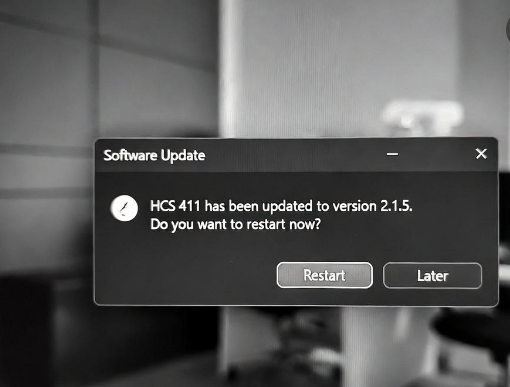
In today’s fast‑changing tech landscape, staying updated with modern software platforms is essential for business continuity, analytics, and streamlined operations. One search phrase that has gained attention recently is “software HCS 411GITS updated.” People searching this are often looking for information on the latest version of a system they’re using — or they’ve encountered references to this term in reports, forums, or support pages online.
But before we dive into detailed features, benefits, and troubleshooting techniques, it’s important to understand what this term actually refers to — and, in some cases, what it does not.
Is “Software HCS 411GITS” a Real Product Name?
When you search for the phrase “software HCS 411GITS,” you’ll find a mix of site posts: some that discuss a software update with that label, and others that — frankly — are not trustworthy or accurate. One analysis of this keyword points out that in many contexts, the term appears as a misleading or made‑up error code or software name created to capture search traffic rather than describe a genuine product.
This means:
-
Not all pages that appear for that search phrase describe a legitimate or official application.
-
Some are low‑quality pages designed to attract clicks with tech buzzwords.
-
There is no single, globally recognized “HCS 411GITS” product released by a major software publisher like Microsoft, Oracle, or Google.
In this article, we’re focusing on the likely real and practical interpretations of what people mean when they look for “software HCS 411GITS updated”:
-
A specific version of an enterprise software platform (with an internal version tag “411GITS”)
-
A custom or vertical system used in traffic engineering, enterprise workflow, or compliance
-
A modular system that has recently received updates focused on user experience, security, and integration
Breaking Down the Term: What Does “HCS 411GITS” Stand For?
To understand this term, let’s break it into components:
-
HCS — Often shorthand in enterprise contexts for High‑Capacity Software, Health Care Systems, or Highway Capacity Software depending on the industry and usage.
-
411 — Commonly a version label or indicator for an internal release cycle.
-
GITS — Likely stands for Git‑based Integrated Technology Stack or Geo‑Intelligent Traffic System in some technical contexts where GIS and real‑time data are involved.
In many technical communities, software names like this evolve from internal naming conventions used by development teams. The “GITS” suffix in particular suggests the use of Git version control workflows and modular codebases, which allow updates without major system overhauls.
So, rather than being a standalone brand, “software HCS 411GITS” is frequently a designated version or build of a larger software platform used in industries like traffic planning, enterprise automation, or compliance systems.
What the Updated Version Offers
When a platform receives an update — whether it’s labeled 411GITS or otherwise — the goal is usually to improve security, performance, usability, and integration. Several reputable write‑ups referencing this keyword point out practical trends and enhancements users can expect from the updated version:
1. Enhanced Security and Encryption
Security remains a primary focus of modern enterprise applications. The updated version of this software reportedly incorporates stronger encryption standards, aligning with protocols like HIPAA, GDPR, and NIST. This enhances data protection and reduces vulnerabilities that could expose sensitive information.
These improvements typically include:
-
End‑to‑end encryption for data in transit and at rest.
-
Immutable audit logs that meet regulatory compliance requirements.
-
Automated security patch integration.
Security isn’t a cosmetic add‑on — it’s foundational to enterprise platforms that manage sensitive workflows.
2. Modular Workflow and Architecture
One of the most notable features of the updated release is a shift toward modular coding and architecture. Rather than a monolithic codebase where changes in one area risk breaking the whole system, modular workflows mean:
-
Independent modules can be updated without bringing down the entire platform.
-
Code teams can patch bugs and add features faster.
-
Organizations can pick and choose which components to install or extend.
This modular design approach improves stability, flexibility, and long‑term maintainability.
3. Better Integration with Other Systems
Modern enterprise tools don’t operate in isolation. The updated version improves APIs and integration hooks for external tools such as:
-
CRM platforms like Salesforce.
-
Cloud services like Microsoft Azure or AWS.
-
ERP and healthcare management systems.
This helps organizations leverage existing systems while adopting the newest software version without costly migrations.
4. User Interface (UI) and Experience (UX) Improvements
Users consistently report that the updated version feels “cleaner” and easier to navigate. While past versions may have had steep learning curves or clunky layouts, the recent update brings:
-
More intuitive dashboard navigation.
-
Customizable workspace layouts.
-
Better visual feedback with fewer clicks needed to complete tasks.
These UX enhancements reduce onboarding time and increase daily productivity.
5. Integration with Mapping and Geolocation Systems (for Some Use Cases)
In contexts where this software serves traffic planning or spatial analytics, some updated versions include map‑based segmentation tools. For example, engineers can now overlay highway or traffic segments over Bing Maps for more precise modeling. This is particularly relevant where capacity analysis or geospatial insights matter.
Why Updated Versions Matter for Organizations
Updating enterprise systems isn’t just a trend — it’s a strategic necessity. Here’s why:
Higher Operational Efficiency
Updated systems are usually more performant and responsive. Features like improved data caching, optimized query handling, and refined workflows reduce wait times and system bottlenecks.
For growing businesses, the impact is tangible:
-
Faster processes.
-
Reduced manual work.
-
Fewer IT tickets related to performance issues.
Stronger Compliance Posture
Software that aligns with industry standards helps organizations reduce compliance risk. Whether you’re in healthcare, logistics, finance, or government, strong audit trails and traceability are critical.
Reduced Total Cost of Ownership (TCO)
Although updates require planning and testing, modernized systems often cost less in the long run because:
-
Maintenance and support become easier.
-
Legacy dependencies are removed.
-
Security upkeep does not rely on manual patches.
How the Updated Platform Is Built
What underpins all of this are quality software engineering practices. Based on aggregated information from multiple sources, the platform — including its updated version — is typically constructed using:
Modern Tech Stack Choices
-
Frontend: Frameworks like React.js or JavaScript libraries for responsive interfaces.
-
Backend: Languages such as Python, Node.js, or .NET for performance and scalability.
-
Databases: PostgreSQL or hybrid SQL/NoSQL setups for flexible data storage.
-
Version Control: Git and GitHub — reflected in the “GITS” portion of the name.
-
DevOps: Continuous integration/deployment (CI/CD) pipelines using tools like Docker and AWS or Azure infrastructure.
This combination allows developers to deliver features rapidly, maintain quality through testing, and ensure that updates are reliable.
Testing and Quality Assurance
Before release, updated versions undergo rigorous validation including:
-
Unit testing to ensure individual components behave as expected.
-
Integration testing for system communication.
-
Load and performance testing to simulate real usage environments.
-
Security testing including vulnerability scans and ethical hacking.
This rigorous process improves system reliability and reduces downtime.
Real‑World Use Cases
Different industries might use this software in different ways:
1. Traffic Engineering and Planning
Some sources tie the term “HCS” to highway capacity analysis tools, where software models traffic flow, capacity, and level of service using established engineering methodologies. This is especially true in urban planning and transportation departments.
2. Enterprise Workflow and Compliance
Other contexts — particularly in healthcare or large enterprise environments — use modular systems like this to:
-
Track compliance metrics.
-
Manage structured business workflows.
-
Integrate data across departments and systems while ensuring security.
Common Issues and How to Troubleshoot Them
No software is perfect — and even updated versions can encounter issues. Here are some proven troubleshooting paths:
Blank Reports or Display Issues
This often stems from display filtering settings or misconfigurations. One specific fix involves:
-
Checking upstream filtering factors.
-
Toggling auto‑calculate or forcing recalculations.
These steps can resolve common “blank report” situations.
Corrupted or Failed Launches
If the software fails to start, it’s often a corrupted environment or an incomplete update. One recommended approach:
-
Uninstall all related versions (old and conflicting).
-
Clean up residual files.
-
Reinstall the latest build from an authorized source.
This “environment refresh” prevents conflicts between modules.
Best Practices for Organizations Using This Software
To get the most out of the updated release:
-
Always backup before updating. Even modern installers can fail without notice.
-
Follow official release notes — they detail what’s changed and why.
-
Engage your IT team early to schedule phased rollouts, especially in large environments.
-
Use monitoring tools to track performance and catch issues ahead of time.
-
Train users on new interface changes to maximize productivity gains.
The Bottom Line
“Software HCS 411GITS updated” may not point to a single universally recognized commercial package, but it does represent a type of enterprise application that is being actively improved and evolved. Across multiple sources, the term points to systems designed for:
-
Better security and compliance.
-
Faster performance and modern UI.
-
Modular, maintainable codebases.
-
Enhanced integration with third‑party tools.
Whether you’re a developer, system administrator, or an executive evaluating software upgrades, understanding the real context behind this update will help you plan your adoption strategy effectively and avoid misinformation that circulates online.
